Food Waste Revolution: Confront the Global Emergency
Food waste issues is a major issue of our time, with incredible amounts ending up in waste sites every year. This not only worsens greenhouse gas emissions but also reflects a larger issue of inefficient waste management practices across the globe. As we strive to create a more environmentally friendly future, addressing food waste must be a priority of our efforts. The concept of a waste management revolution is not just about cutting down on waste; it's about reexamining how we create, utilize, and discard food in our regular routines and companies.
In this thorough guide, we will examine modern waste management solutions that can help tackle the global crisis of food waste. From useful methods for residences to successful strategies for businesses, comprehending the importance of waste management can yield significant environmental benefits and cost savings. Whether you are a newcomer eager to learn the basics or a firm looking for innovative approaches, this article aims to provide knowledge into actions we can take in unison to address this critical issue and promote a more sustainable world.
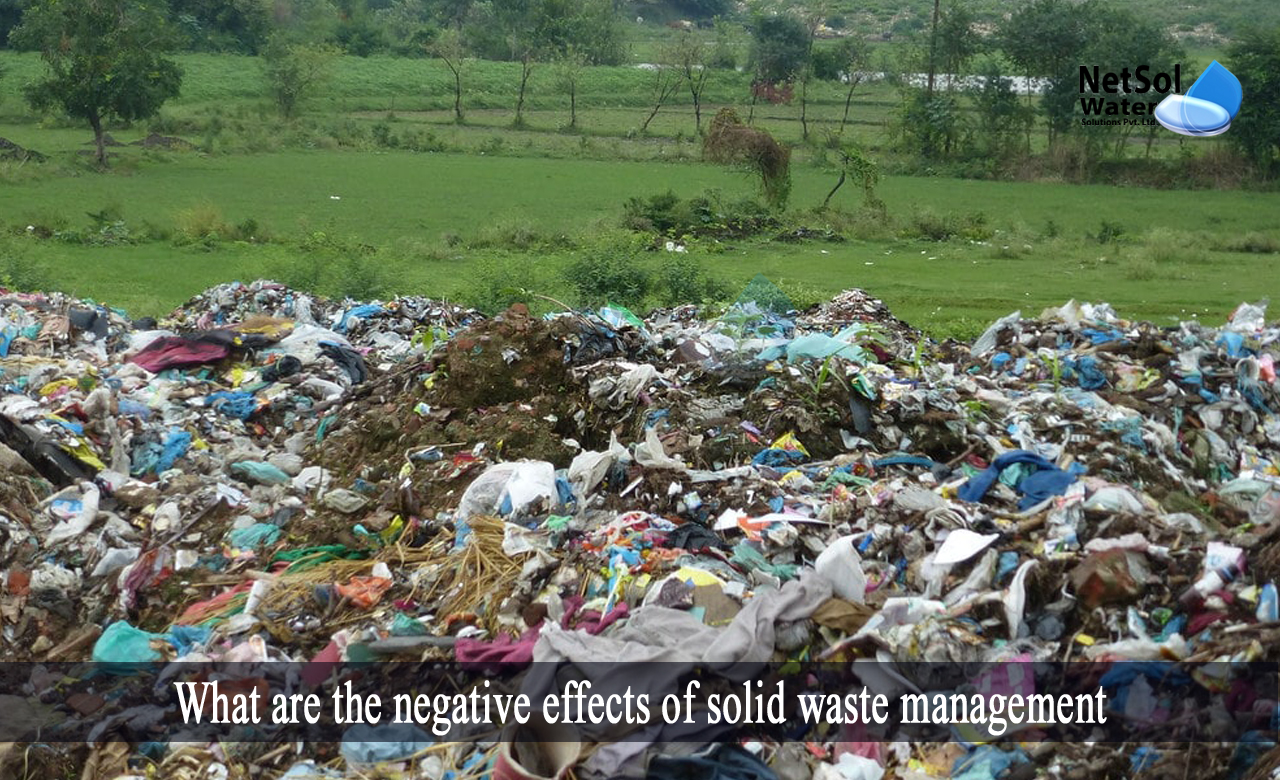
Impactful Refuse Handling Techniques
To successfully tackle the global crisis of food waste and various kinds of waste, businesses must embrace comprehensive waste management plans. A key component of any strategy includes conducting regular waste audits to understand what kinds of waste are generated and how they can be minimized. By analyzing waste streams, businesses can find opportunities for repurposing, composting, and more effective purchasing practices that cut down on unnecessary waste. This fundamental step not only boosts efficiency but also lays the groundwork for lowering costs connected to waste disposal.
Including technology into garbage handling practices is a further essential strategy. Smart waste management systems, such as refuse tracking software and smart bins, can optimize operations. These technologies provide up-to-the-minute data on waste levels and types, allowing businesses to make educated decisions on collection schedules and recycling efforts. Additionally, using software that teach employees about correct waste segregation can boost compliance and promote a culture of green practices within the organization.
Finally, actively participating employees and the community plays a key role in the success of waste management efforts. Workshops sessions that emphasize the importance of effective waste management and sustainable practices can motivate individuals to get involved meaningfully. Building partnerships with community waste management services can also help businesses customize their plans to fit specific demands while taking advantage of community resources. By promoting a collective responsibility towards waste reduction, organizations not only benefit themselves but also promote a sustainable future for all stakeholders.
Novel Waste Management Reduction Solutions
One of the most successful strategies in the struggle against food waste is the utilization of cutting-edge solutions. Intelligent devices, such as kitchen inventory apps and grocery management systems, help households and organizations keep tabs of their food stock, reducing the likelihood of spoilage. Click to find out more can alert users to items close to their sell by dates or recommend recipes based on available ingredients, efficiently promoting a proactive approach to food consumption and minimizing loss.
Another encouraging solution is the establishment of community kitchens and food relief networks. These initiatives enable people and local vendors to contribute excess food, which is then shared to those in necessity. By encouraging a cooperative environment, these initiatives not only reduce loss but also build community ties and improve food security. Additionally, they raise understanding about the scale of food waste and promote healthier dining habits among participants.
Lastly, companies can assist to waste reduction by utilizing sustainable packaging options and adopting a sustainability-focused philosophy. Wealth Management Launceston Cornwall packaging solutions, such as compostable materials and sustainable options, help to reduce the environmental effect of standard packaging waste. By reevaluating supply chain operations and focusing on sustainability, companies can significantly reduce their carbon footprint, align with consumer expectations, and enhance their brand reputation while moving towards a more circular economy.
The Importance of Recycling and Sustainability
Recycling efforts plays a vital role in reducing waste and conserving natural resources, making it essential for a viable future. By recycling materials such as paper, synthetics, and metals, we shift waste from landfills and lessen the demand for raw materials. This not just helps in reducing the environmental impact linked to extraction and processing but also saves energy, as recycling often demands less energy than producing new products from virgin materials. The easy act of recycling can lead to significant ecological benefits, making it a essential component of any efficient waste management strategy.
Sustainability in waste management covers more than just recycling; it involves the entire lifecycle of products from production to disposal. Implementing sustainable practices means businesses and individuals alike need to prioritize reducing waste at the source, utilizing again items whenever possible, and recycling materials efficiently. Furthermore, encouraging sustainable packaging can minimally minimize the waste generated by consumer products. By adopting a holistic approach to waste management, we not just help the environment but also contribute to a more robust economy and society.
Promoting community involvement in recycling initiatives cultivates a culture of sustainability. Teaching citizens about what can be recycled and the benefits of doing so is crucial in creating a more informed and environmentally conscious society. By highlighting the importance of proper recycling practices, communities can unite to reduce waste and promote sustainability. Ultimately, the joint effort towards effective recycling and sustainable waste management can spark a positive change, leading to a cleaner planet and a more robust future for generations to come.