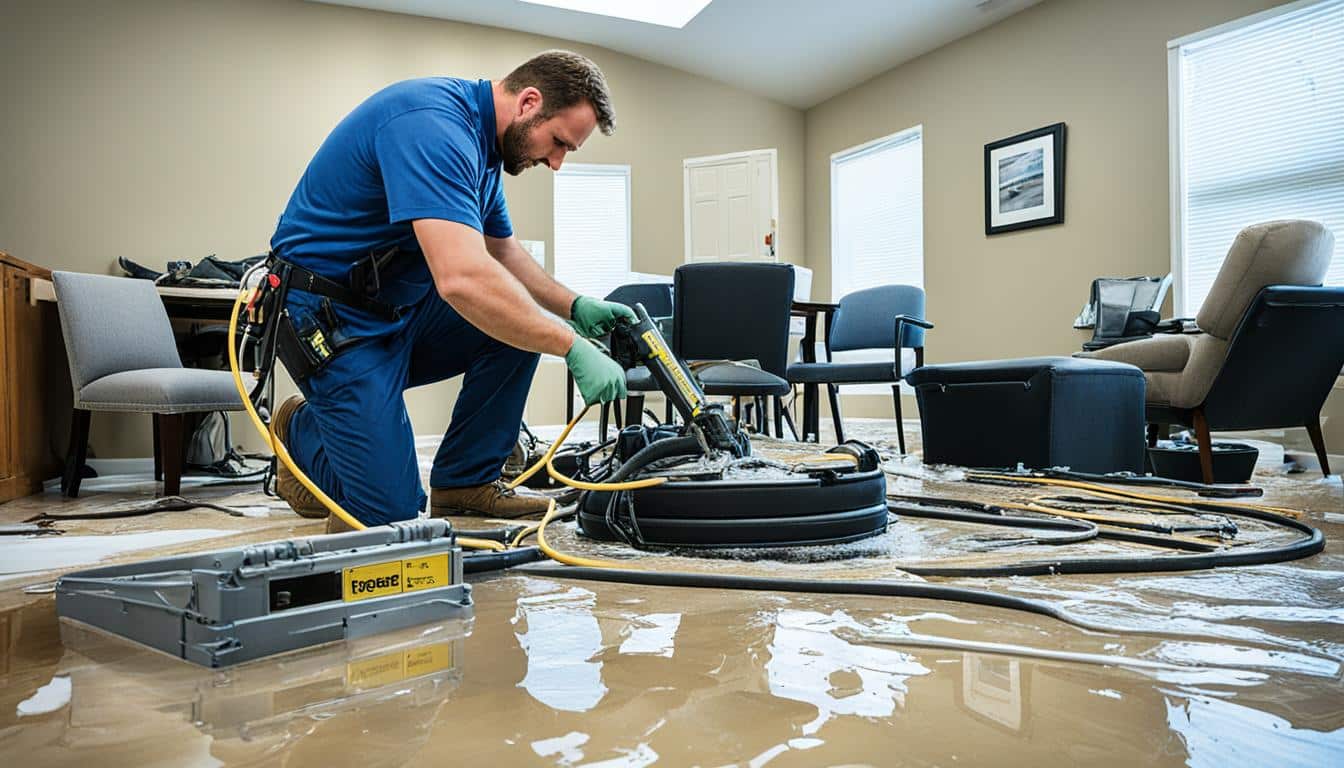
From Flooded to Fabulous: Reinventing Moisture-Impacted Spaces
Water damage can occur suddenly, leaving property owners feeling stressed and unsure about the next steps to take. Whether it’s caused by a broken pipe, a leaking roof, or heavy rain, the urgent aftermath requires rapid action to mitigate potential destruction. Understanding the complexities of water damage restoration is crucial for protecting your property and turning what might feel like a disaster into an opportunity for a fabulous transformation.
In this detailed guide, we will discuss all aspects from initial actions to take after water damage occurs, to the nuances of hiring a professional restoration company. We will delve into the frequent sources of water damage and the risks that untreated problems can pose. With the right knowledge and tools, you can navigate the restoration process effectively, ensuring that your home not only recovers but comes out even better than before. Join us as we unpack key pieces of advice and insights into restoring your living space from flooded to fabulous.
Prompt Actions After Water Damage
When dealing with water damage in your home, staying calm and taking immediate action is essential. The first step is to confirm the safety of everyone in the household. If the water has reached electrical outlets or appliances, turn off the electricity from the main power supply to prevent any electrical hazards. If there are any uncertainties about safety, evacuating the premises until help arrives is always a wise choice.
Then, identify the source of the water damage and stop it if feasible. https://david-romero-3.hubstack.net/water-damage-issues-resolved-cutting-edge-approaches-for-remediation could involve turning off the main water supply to your home or addressing a leak from the roof or windows. Once you have managed the source, it is essential to document the damage for insurance claims. Take photos or videos of the affected areas, and make a list of damaged items, as this will be helpful when filing a claim.
After securing the area and addressing the source, begin the cleanup process. Remove any standing water as promptly as possible using mops, buckets, or a wet/dry vacuum. Start drying out the affected spaces by opening windows, running fans, and using dehumidifiers to prevent mold growth. The faster you can dry the environment, the better the chances of minimizing damage and restoring your home.
Complete Moisture Damage Restoration Guide
Water damage restoration is a crucial procedure that helps residents bounce back from the damaging effects of water intrusion. The first phase is to determine the source of the water damage, which could be resulting from a range of factors such as plumbing leaks, flooding due to weather, or broken appliances. Once the source is discovered, prompt measures are necessary to prevent further damage. This includes shutting off the supply of water, removing excess water, and beginning the drying procedure to reduce damage to the building and contents.
Specialized water damage restoration involves a thorough evaluation of the affected areas. Specialists use state-of-the-art equipment to inspect walls, ceilings, ceilings and floors, floors, and insulation for water damage. This comprehensive inspection is critical not only to identify obvious damage but also to discover hidden water damage that could lead to mold growth and structural problems if ignored. After the inspection, a tailored restoration plan is formulated to address the distinct demands of the property, including extracting water, drying, and repairs.
Finally, proactive measures is key to protecting your home against upcoming water damage. Property owners should be proactive about maintaining their plumbing, repairing any roof leaks promptly, and setting up water detection systems in at-risk areas. By employing a certified water damage restoration business, property owners can guarantee that they receive professional help and effective restoration strategies. This forward-thinking method not only protects the home but also boosts its overall value and longevity.
Preventing Future Water Harm
To effectively avoid future moisture damage in your home, regular maintenance is crucial. Start by examining your plumbing system for any evidence of damage or drips. Pay particular attention to locations under wash basins, around commodes, and in basements or crawl spaces. https://barnes-bertram-2.technetbloggers.de/after-the-deluge-a-comprehensive-flood-damage-recovery-plan or damaged pipes, and ensure that all faucets and devices are functioning correctly. Additionally, clear your gutters and drainpipes consistently to stop moisture from collecting around your base.
Another key area to think about is your roofing. Frequently inspect your roof for absent shingles or signs of deterioration that could allow moisture to leak into your house. Resolve any issues promptly, and think about professional inspections if you have concerns about deeper problems. Ensuring proper water flow away from your house’s base is also vital. Landscaping should slope away from the house, and consider installing drainage systems or drain pumps if necessary.
In conclusion, it is important to be diligent about moisture control. Use moisture absorbers in damp areas, such as basements and restrooms, and make sure your house is well-ventilated. Wrap pipes in cold areas to avoid freezing and breaking during winter, and promptly deal with any evidence of mildew growth. Taking these preventive steps will not only safeguard your house from water harm but also maintain its overall integrity and value.