From Landfill into Environment: The Craft of Reusing
In a world where ecological issues are becoming ever more critical, the significance of proper waste management cannot be underrated. From homes to businesses and communities, how we handle waste impacts not only the appearance of our environment but also the well-being of our world. What was once thrown out in landfills is now being viewed through a framework of potential, transforming waste into useful resources and promoting a culture of environmental responsibility.
Grasping the ins and outs of modern waste management strategies is important for all individuals, whether you are a business owner looking to enhance your green practices or an individual aiming to minimize your household waste. This article will cover the multiple dimensions of waste management, from recovering and organic waste processing to the impact of digital solutions and laws. Join us as we journey through the journey from landfill to landscape, providing practical tips and insights to help you contribute to a cleaner, environmentally friendly future.
The Value of Proper Waste Management
Efficient waste disposal is vital for sustaining a safe environment and ensuring sustainable development. Ineffective waste disposal practices can cause pollution, deteriorate natural resources, and exacerbate climate change. When waste is not managed properly, it can pollute soil and water, affecting local ecosystems and the safety of populations. Thus, establishing robust waste management strategies is necessary for preserving our environment for next generations.
For organizations, responsible waste management directly affects operational efficiency and earnings. By minimizing waste, organizations can lower disposal costs and even produce revenue through recycling and composting efforts. Moreover, companies that focus on waste management often enjoy a better public image, attracting environmentally conscious customers and adhering to regulations. This not only builds consumer trust but also enhances employee satisfaction, as staff members tend to favor working for ethical companies.
Communities also benefit from efficient waste disposal through better public health and higher quality of life. Proper waste disposal reduces the risk of infestations, the spread of disease, and unpleasant odors. Furthermore, adopting modern waste management solutions can lead to cleaner streets, parks, and public spaces. By acknowledging the significance of managing waste effectively, we can create healthier, cleaner, and more vibrant societies where both people and nature can prosper.
Cutting-edge Solutions for Trash Minimization
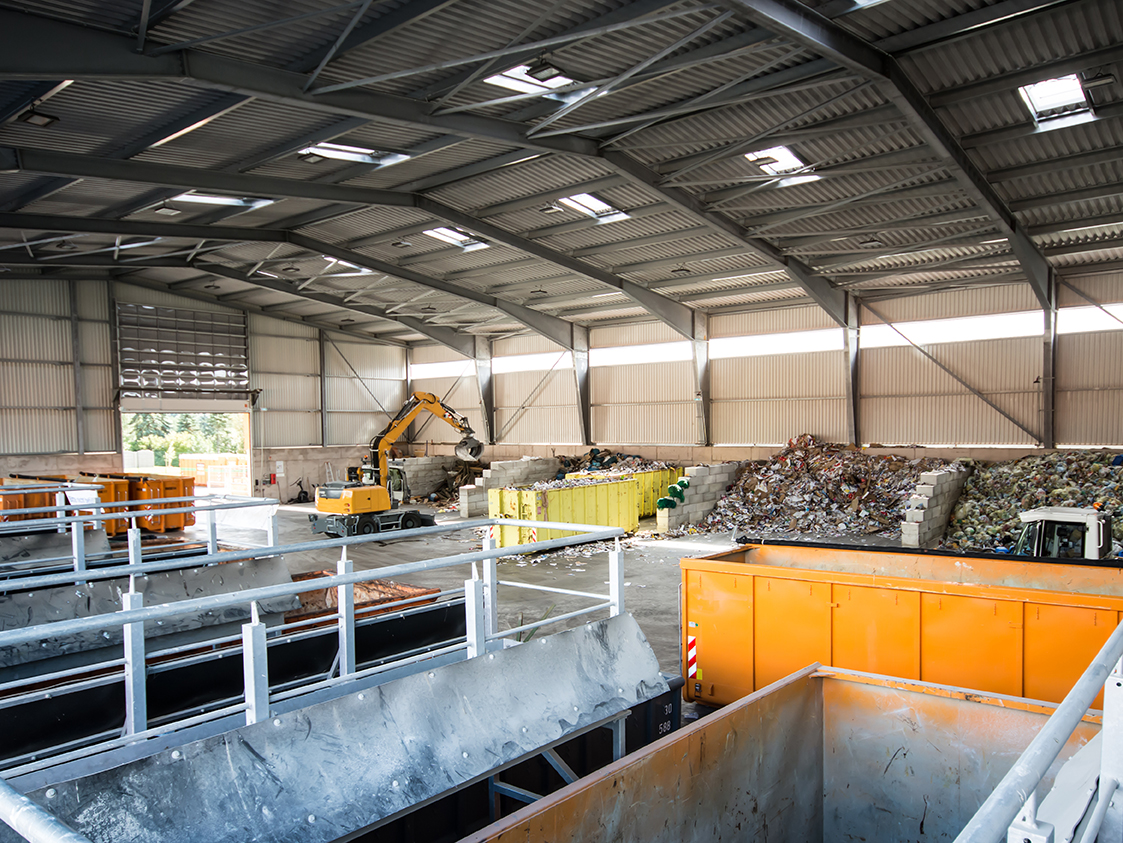
As the international community grapples with growing waste production, groundbreaking solutions are arising to combat this issue successfully. One such method is the implementation of intelligent waste management solutions. These technologies utilize devices and data analysis to optimize collection ways and schedules, minimizing fuel use and running costs. Furthermore, intelligent bins fitted with fill-level sensors can alert waste management teams when they need emptying, minimizing unnecessary removals and improving efficiency.
Another revolutionary idea is the rise of zero waste projects, which aim to transform systems and products to remove the notion of waste entirely. This includes designing sustainable containment alternatives that are biodegradable or made from recycled materials. Businesses are increasingly adopting circular economy models, which stress reusing materials within production chains. By prioritizing resource efficiency and sustainable development, companies can significantly reduce their waste generation while promoting environmental stewardship.
Soil enrichment represents a effective way for individuals and communities to diminish organic waste. By processing food scraps and yard waste into fertile compost, households can channel a substantial volume of waste from tips. Additionally, training initiatives about proper waste separation and composting practices can enable individuals to make smart choices, further driving waste creation at the grassroots scale. As awareness grows, these effective strategies pave the way for a more sustainable future, illustrating the power of collective action in waste minimization efforts.
Establishing a Eco-Friendly Tomorrow Via Recycling
The process of recycling has a key part in the transition toward a increasingly sustainable future. In converting waste into useful resources, we can significantly cut down on the quantity of substances that end up in dump sites. This not just lessens the pressure on our refuse management systems but also saves earth’s resources by minimizing the requirement for unprocessed materials. Supporting recycling initiatives assists establish a environment of eco-consciousness, which communities and businesses alike are motivated to consider about their consumption patterns and the lifecycle of the products they purchase.
Furthermore, successful recycling can have a major economic impact. It generates employment opportunities in different industries, from pickup to manufacturing of recycled goods. Regional economies are supported as also when businesses implement recycling practices, often resulting in reduced costs and improved effectiveness. For businesses, creating a responsible environmental plan that includes recycling not only improves their standing but additionally aligns with increasing customer expectations for eco-friendly methods. In https://telegra.ph/Converting-Waste-into-Treasure-A-Future-of-Refuse-Management-03-24 , the act of recycling turns into an essential component of a company’s plan to succeed in a competitive environment.
In conclusion, building a green tomorrow by recycling calls for collaboration among all stakeholders, such as governments, companies, and the public. Information and understanding about what is and cannot be be recycled are essential to enhancing involvement and guaranteeing successful resource management. As developments occur, new recycling techniques are developing, making the process more streamlined and attainable. Through focusing on recycling within waste management frameworks, we can play a role significantly to the closed-loop economy, in which waste is reduced, materials are repurposed, and environmental impact is mitigated, culminating in a better planet for our descendants.