Heat Pumps vs. Traditional Systems: A Detailed Overview
Lately, the conversation between heat pumps and conventional HVAC systems has attracted substantial attention among residents. As energy efficiency and eco-friendly issues continue to increase, numerous are looking for options to conventional HVAC systems. Heat pumps have risen as a top candidate, delivering innovative technology that not only promises lower utility costs but also a reduced environmental impact. This detailed guide aims to clarify heat pumps, exploring their mechanics, effectiveness compared to conventional units, and the reasons they might be the right option for the home.
Whether you live in a frigid environment like Colorado or are evaluating the most recent options available in 2026, understanding heat pumps is vital for making educated decisions about the heating and cooling needs of your home. From Air Source Heat Pumps Barnsley Yorkshire of installation to the benefits of switching, we will cover everything homeowners need to be aware of, including maintenance tips, installation expenses, and how to identify the indicators that it’s time to replace your existing unit. So, let’s dive into the universe of heat pumps and find out if they are indeed the next step of home heating and cooling.
Understanding Heat Pumps
These systems are cutting-edge systems designed to simultaneously provide heating and cooling living spaces by shifting heat from the interior and exterior of a house. Unlike traditional heating solutions that produce heat from fossil fuels, oil, or electric power, heat pumps transport existing heat. When it’s hot, they extract heat from inside your home and discharge it into the environment, while during winter, they do the reverse by drawing heat from outside air or the earth and transferring it inside. This distinct functionality makes them an energy-efficient alternative to conventional HVAC systems.
One of the key benefits of heat pumps is their energy efficiency. They can deliver more energy than they require by utilizing a little amount of electricity to facilitate the heat transfer process. This efficiency translates to lower utility bills and a decreased carbon footprint, making heat pumps an environmentally-friendly choice for homeowners. In addition to being efficient, they can efficiently maintain a comfortable indoor climate year-round, adjusting to seasonal changes smoothly.
Furthermore, heat pumps are offered in various types, including air source and ground-source models, each offering distinct benefits according to the specifics of installation and climatic factors. Homeowners who are contemplating a move to heat pumps should evaluate their unique needs, such as the size of their home and local climate, to identify the most appropriate type. Given the continued advancements in technology and growing awareness of their advantages, heat pumps are positioned as a top solution for future residential heating and cooling.
Gains and Costs of Heat Pumps
One of the key gains of heat pumps is their energy efficiency. Unlike traditional HVAC systems that create heat by using fuel, heat pumps relocate heat, utilizing less energy to achieve the required indoor temperature. This can lead to considerably lower energy bills, making heat pumps an favorable solution for homeowners. Moreover, heat pumps can provide both warmth and air conditioning, offering continuous comfort without the need for individual systems, which can further lower on setup and upkeep costs.
However, the first installation expense of heat pumps can be a issue for many. While prices can differ considerably depending on the category of heat pump and installation details, they generally have a greater initial cost compared to standard heating systems. Homeowners should take into account not just the installation costs but also the future reductions on energy costs. Additionally, various rebates and tax deductions available can help balance preliminary costs, making heat pumps more financially viable in the extended term.
Another consideration to evaluate is the prospective duration and maintenance of heat pumps. They are designed to survive longer than traditional systems, often providing reliable service for 15 years or longer with proper care. Consistent maintenance is important to keep them running efficiently and to prolong their life. Understanding the costs related to recurring upkeep and repairs is crucial when evaluating the total cost of ownership for heat pumps, ensuring that homeowners are fully cognizant before reaching their decision.
Setup and Care Tips
Installing a heat pump requires careful planning and evaluation of different factors, like the magnitude of the pump and the individual temperature requirements of your house. A professional installer can guide identify the appropriate type and capacity of the heat pump, taking into account the configuration of your place and regional climate conditions. When setting up a heat pump, it’s crucial to evaluate whether a ducted system or ductless fits best for your space. Considering these elements can produce optimal performance and maximal comfort.
Once your heat pump is installed, consistent upkeep is vital to ensure its longevity and performance. Routine servicing, such as vacuuming screen, monitoring refrigerant levels, and examining ductwork, can avoid common issues that may happen. Residents should strive to schedule a trained maintenance check at least once a year. Basic tasks like keeping the outside equipment clear of debris and guaranteeing proper airflow can further contribute to a heat pump's performance and resilience.
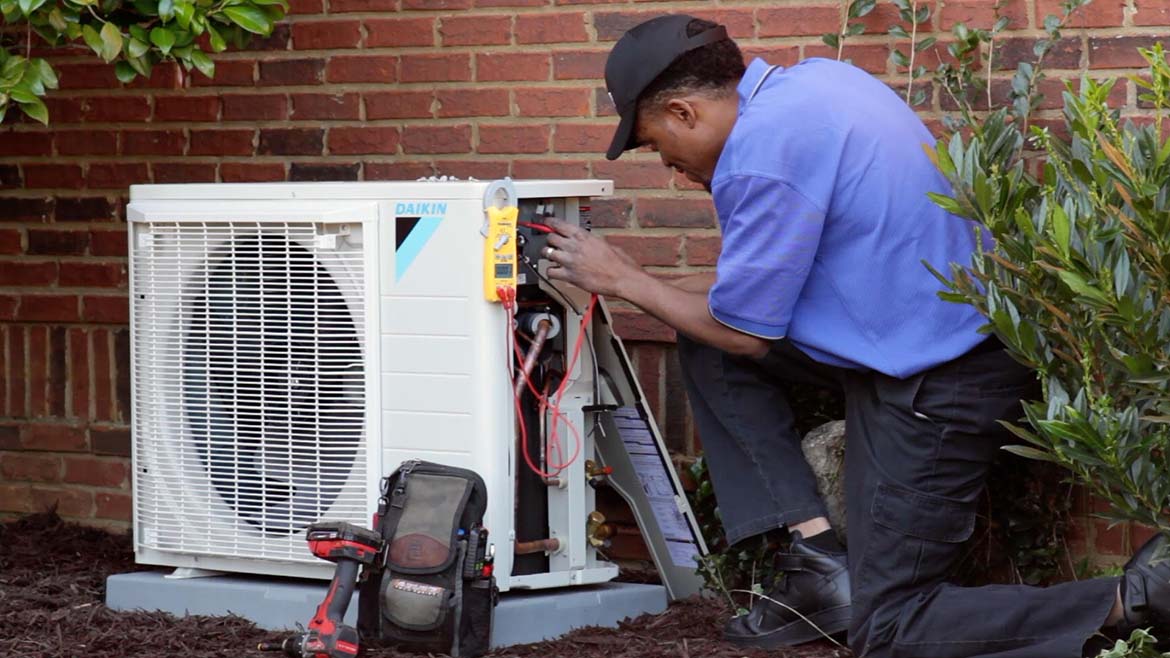
Moreover, it’s essential to educate yourself on how to resolve small problems that can happen with heat pumps. Typical issues include unusual sounds, inconsistent temperature readings, or lowered efficiency, which can regularly be addressed with easy adjustments. However, knowing when to reach out to a specialist is also crucial. Being proactive about both routine maintenance and trivial issue resolution can increase the longevity of your heat pump while making sure it works at optimal performance throughout the year.