Mastering the Skill of Industrial Finish Spray Techniques
In the realm of commercial projects, the choice of painting method can greatly impact both the aesthetic and functional outcomes. Commercial paint application has emerged as a favored choice for businesses looking to enhance their spaces efficiently and efficiently. From warehouses to retail environments, understanding the details of commercial paint spraying can help you achieve unparalleled results, improve project timelines, and ensure durable finishes that stand up to the demands of daily use.
As we explore the craft of commercial paint spraying, we will examine a variety of subjects including the benefits of using spray techniques for large-scale projects, the benefits of various spray systems, and crucial safety standards to abide by. With the appropriate approach and equipment, commercial paint spraying can change a space with minimal disturbance, making it an ideal solution for quick-moving business environments. Whether you are thinking about a new coat of paint for an workspace, factory, or retail shopfront, this guide will provide useful insights to help you perfect the art of commercial paint spraying.
Benefits of Commercial Coating Spraying
Commercial paint spraying offers many advantages that make it a preferred option for large-scale jobs. One of the key benefits is the speed of use. In contrast to traditional paintbrush and roller methods, spray painting can coat large surfaces rapidly, cutting down on work hours considerably. This productivity is particularly beneficial for companies looking to reduce delay while going through renovations or construction projects.
Another key advantage is the even result that spray painting provides. Professional painters have the expertise to ensure an uniform coat, which is particularly critical in business environments where appearance and longevity matter. This perfect finish not only enhances the appearance of the building but also helps in maintaining the durability of materials, as a well-applied coating can resist damage more efficiently than traditional techniques.
Furthermore, commercial paint spraying allows for a greater selection of paints and finishes. From tailored paints to eco-friendly options, the flexibility of spraying systems can cater to different project needs. This option means that companies can opt for materials that suit their particular demands, whether they focus on strength, color consistency, or environmental considerations, ultimately leading to better overall task outcomes.
Choosing the Best Spray System
In the realm of commercial paint application, picking the right spray method is vital to achieving optimal results. Various popular options are airless spray systems and High Volume Low Pressure systems. Airless sprayers are favored for their ability to paint extensive areas quickly, making them suitable for expansive surfaces like warehouses and industrial facilities. They can handle thick coatings and provide a smooth finish, but they can struggle to offer the accuracy needed for careful tasks. In contrast, HVLP sprayers are recognized for their superior performance in paint application and producing high-quality finishes. They are typically used in settings where detail work is essential, such as store spaces and workspace refurbishments.
Evaluating the specific requirements of your job can assist in making the right option. For bigger jobs that demand speed and efficiency, airless sprayers are usually more effective. They can apply various types of coatings, including thicker paints and primers, making them versatile for different projects. In comparison, HVLP systems are ideal for projects that require a gentle touch, where overspray needs to be reduced and finishes need to be even. Grasping the scope of your task will help you in picking the most suitable application method based on effectiveness and application.
Additionally, it's important to consider the varieties of surfaces you will be painting. Some spray methods perform better on particular materials. For instance, airless sprayers might be the more suitable fit for textured surfaces, while HVLP sprayers shine on even substrates. Engaging with experienced experts and conducting comprehensive research can greatly help in finding out which spray method aligns best with your commercial painting requirements. By making an informed decision, you can enhance the quality of your finished job while maximizing efficiency and productivity.
Security & Standards in Commercial Coating
Guaranteeing security in business painting is crucial for not only employees and the surrounding environment. Experts in this industry must follow rigorous regulations that set forth the utilization of personal safety gear, such as masks, eye protection, and gloves, to lessen health hazards associated with toxic contact. Check out the post right here on equipment operation and safety procedures is critical, as it guarantees that employees are prepared to respond to crises and handle materials safely.
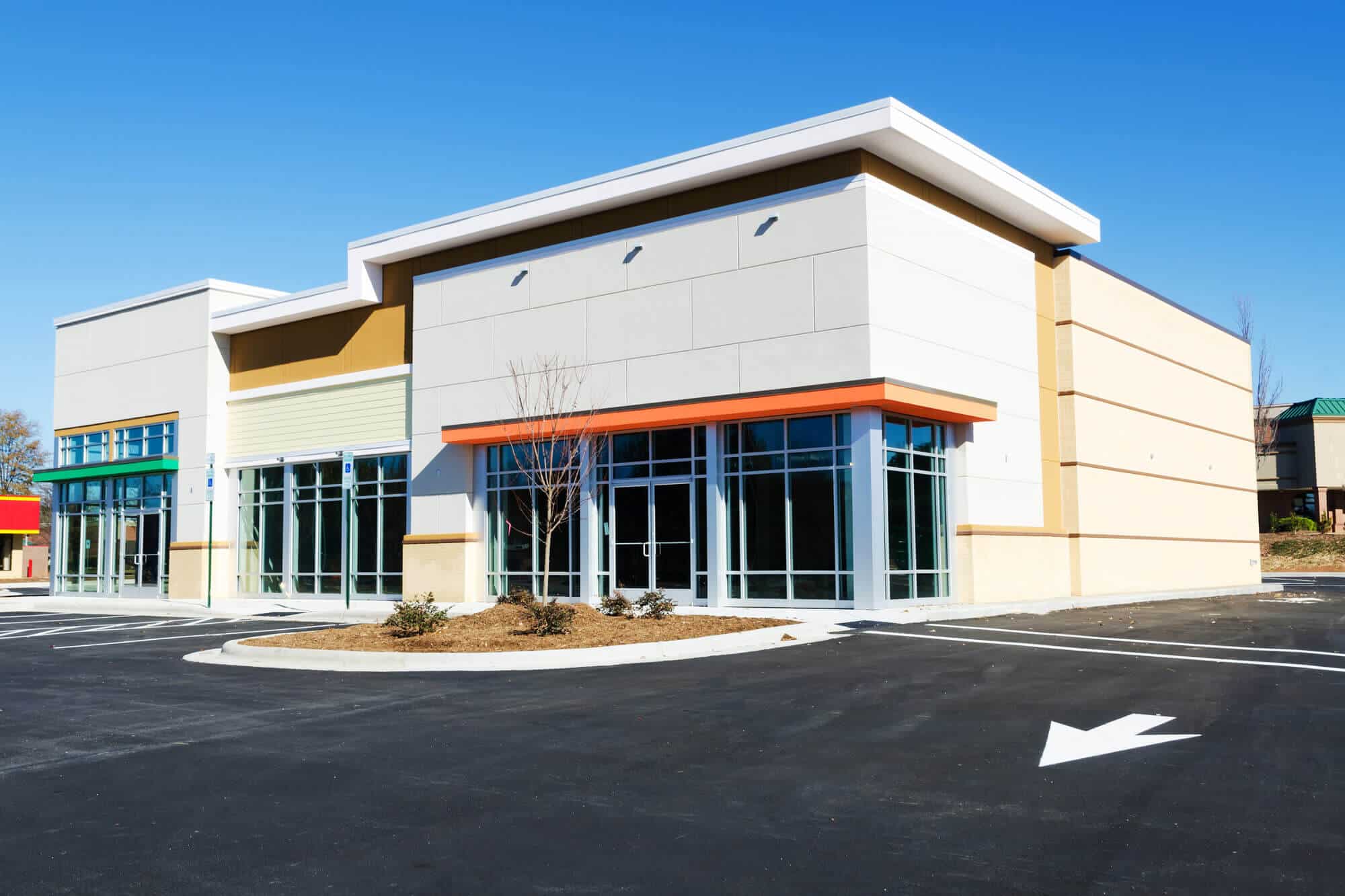
Regulatory standards regulate the kinds of paints and thinners used in business projects. Coatings must be low in volatile organic compounds to enhance air quality and minimize harmful pollution during use. Compliance with local and national safety standards contributes to establish a safer working environment and guarantees that the paint job meets the necessary specifications for longevity and finish standard.
In addition, comprehensive hazard evaluations and sufficient ventilation procedures are vital during business painting jobs. Maintaining good airflow minimizes breathing risks and encourages a secure work place. Through implementing these protection measures and adhering to set standards, business painting projects can move forward smoothly while ensuring health and safety for all involved.