Steering Clear of Calamity: The Reason Basement Moisture Proofing is Essential
An dry and secure cellar is crucial for preserving the stability of your house. Regrettably, many property owners overlook the importance of waterproofing the basement until it is beyond repair. Moisture damage can cause costly repairs, mold growth, and even structural issues that compromise the overall safety of your home environment. In this manual, we will examine the critical justifications why waterproofing the basement is not just an alternative but a requirement for property owners.
From identifying the ten indicators your basement needs prompt action to grasping the differences between interior and exterior waterproofing techniques, we will address it all. Visit this link 'll discover how to choose the appropriate contractor, what to anticipate in terms of costs, and how effective waterproofing can increase your house's value. Whether you are dealing with an older home or recently built property, shielding your cellar from moisture damage is a wise decision that pays off in both safety and comfort.
Key Signs Your Basement Needs Waterproofing
A clear indication that your basement requires waterproofing is the presence of water stains or wet areas on the walls and floor. Should you observe color changes or a musty smell, this indicates moisture accumulation, which may result in greater problems if left unattended. It’s crucial to act quickly because such signs may indicate a persistent leak and an increase in humidity, both factors can escalate into serious issues.
A further key indicator is the sighting of fungus or mildew in your basement. These fungi flourish in damp environments and can pose serious health risks to your household. If you find mold growth, it signifies that the area is excessively humid or leaking, commonly due to insufficient waterproofing. Even if mold is not currently visible, you might detect a damp smell indicating moisture problems requiring examination and remediation.
Lastly, cracks in the foundational walls serve as a strong sign that your basement may require waterproofing. Such fissures not only allow water to seep in but can also compromise the structural integrity of the house. Should you see any new or widening cracks, it’s vital to investigate further. Dealing with waterproofing prior to worsening crack conditions can prevent extensive damage and expensive repairs down the road.
Comprehending Cellar Moisture-Proofing Techniques
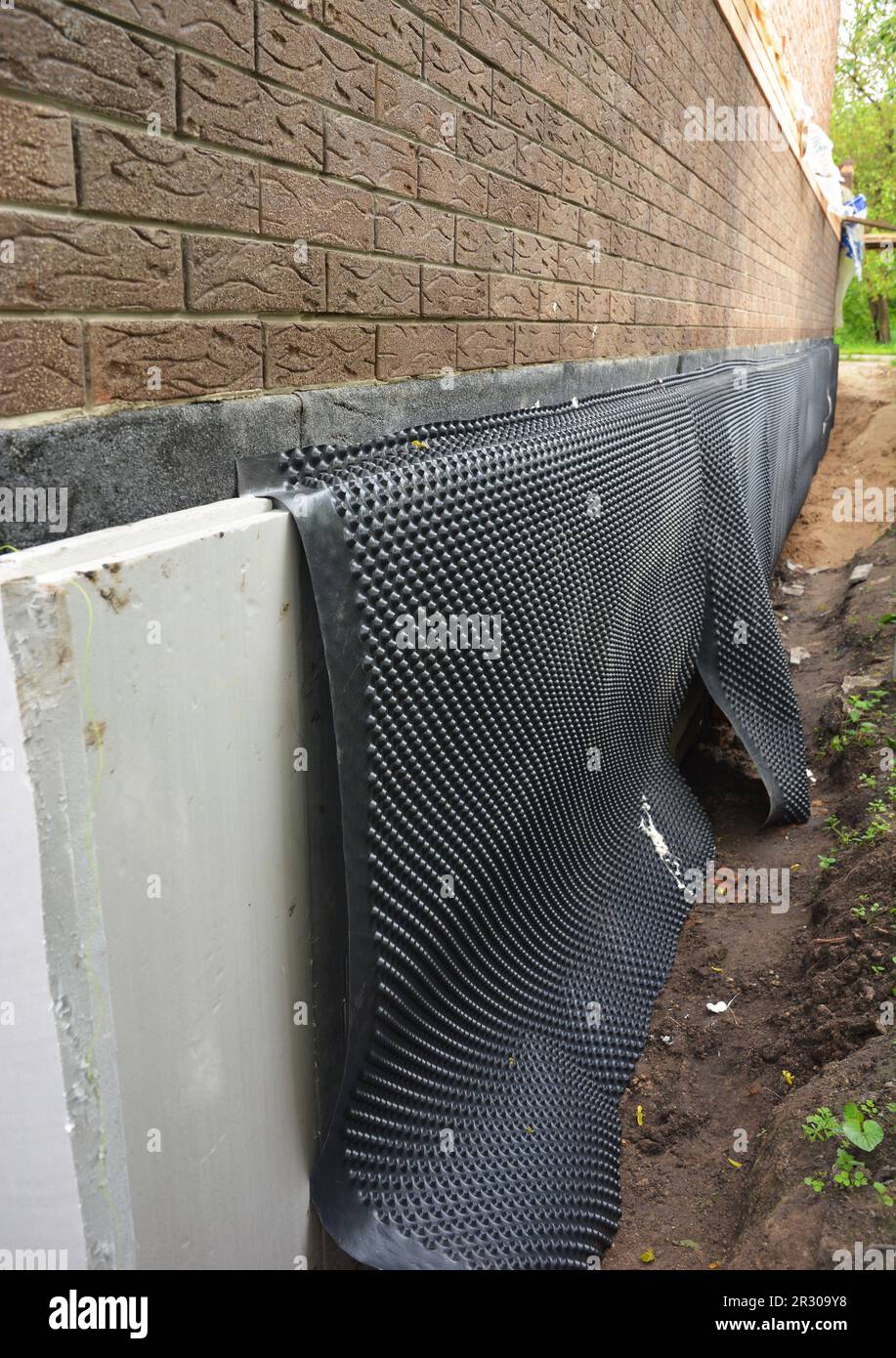
Basement moisture-proofing methods is essential for protecting the house against moisture destruction, mold development, and structural problems. A couple of key approaches are available: interior and exterior moisture-proofing. Indoor waterproofing concentrates on sealing the interior of the cellar to prevent water intrusion. This technique usually entails the use of barriers, setting up sump systems, and establishing drainage systems such as French drainage. On the other hand, exterior waterproofing is at addressing the source of water prior to it enters the cellar. This process frequently includes digging around the foundation, using moisture-proof layers, and enhancing external drainage systems to diverting water from the home.
Choosing the appropriate approach depends on several elements, including the degree of the water issue and the design of the home. For houses with significant water issues, exterior moisture-proofing tends more likely to be more effective as it lessens water intrusion right at the source. Nonetheless, if the condition is not as critical, indoor solutions might be sufficient and a lot more cost-effective. Homeowners should assess their unique circumstances and perhaps consult a professional in order to determine the best method for their basement moisture-proofing needs.
Ultimately, comprehending these techniques not only helps in making knowledgeable decisions and also emphasizes the importance of regular maintenance. Many waterproofing systems require maintenance in order to ensure their efficacy in the long run. Homeowners should be aware of potential warning signs, like peeling coatings or musty odors, that indicate that the moisture-proofing solution may need repair or replacement. By selecting the right waterproofing solution and maintaining it well, property owners can safeguard their cellars and improve the longevity and value of their properties.
The Impact of Waterproofing on Property Worth
Spending money in basement waterproofing can greatly enhance the value of a home. Potential buyers are often wary of properties that show signs of water issues, as damp basements can lead to major damage and costly repairs in the future. A properly cared for, waterproofed basement offers reassurance to buyers, making a property not just attractive but also potentially faster to sell. Homes that demonstrate a proactive approach to maintenance and care are typically valued more in the real estate market.
Moreover, waterproofing can improve the functionality of basement space, transforming it into a functional area for leisure, storage, or even living space. This extra square footage can boost the overall livable space of the home, presenting opportunities for additional income through rentals or simply improving family enjoyment. Buyers are often willing to pay a premium for properties that maximize every square foot, especially when that space has been safeguarded from water damage.
Moreover, waterproofing plays a vital role in maintaining the integrity of a house's foundation. A solid foundation is essential to a home’s structural health, and showing that it has been protected against moisture problems can reassure potential buyers. This assurance can translate into a higher resale value and less negotiations on repair costs, underscoring the long-term benefits of putting money in basement waterproofing for property owners looking to maximize their property’s value.